Toward Predictive Bioprocessing: Hybrid Modeling and Digitalization Across Upstream and Downstream Systems
Abstract
Recent developments in biopharmaceutical manufacturing have created new opportunities for process systems engineering to contribute across upstream and downstream systems. As the industry moves toward digital manufacturing—an integrated, model-centered approach to process design, monitoring, and control—there is a growing need for system-level frameworks that combine mechanistic insight, data analytics, and real-time decision tools. Modern systems engineering methods, including hybrid modeling, high-throughput sensing, optimal experiment design, and advanced control, provide a foundation for representing complex cell-culture dynamics and protein purification behavior in a unified way. This talk will introduce recent efforts to build such frameworks, including hybrid dynamic models that characterize metabolic-phase transitions in CHO cell cultures, model-based experimental design for improving parameter identification under limited data, and state-estimation–assisted predictive control for stable operation in perfusion systems. Complementing these upstream developments, the presentation will also highlight digitalization platforms for downstream protein crystallization, such as droplet-based evaporative screening and automated image-based analysis for estimating crystallization kinetics. Together, these advances demonstrate how physics-informed learning and model-based decision tools can accelerate process development and move biomanufacturing toward predictive, scalable, and increasingly autonomous operation across both upstream and downstream unit operations.
Speaker Bio
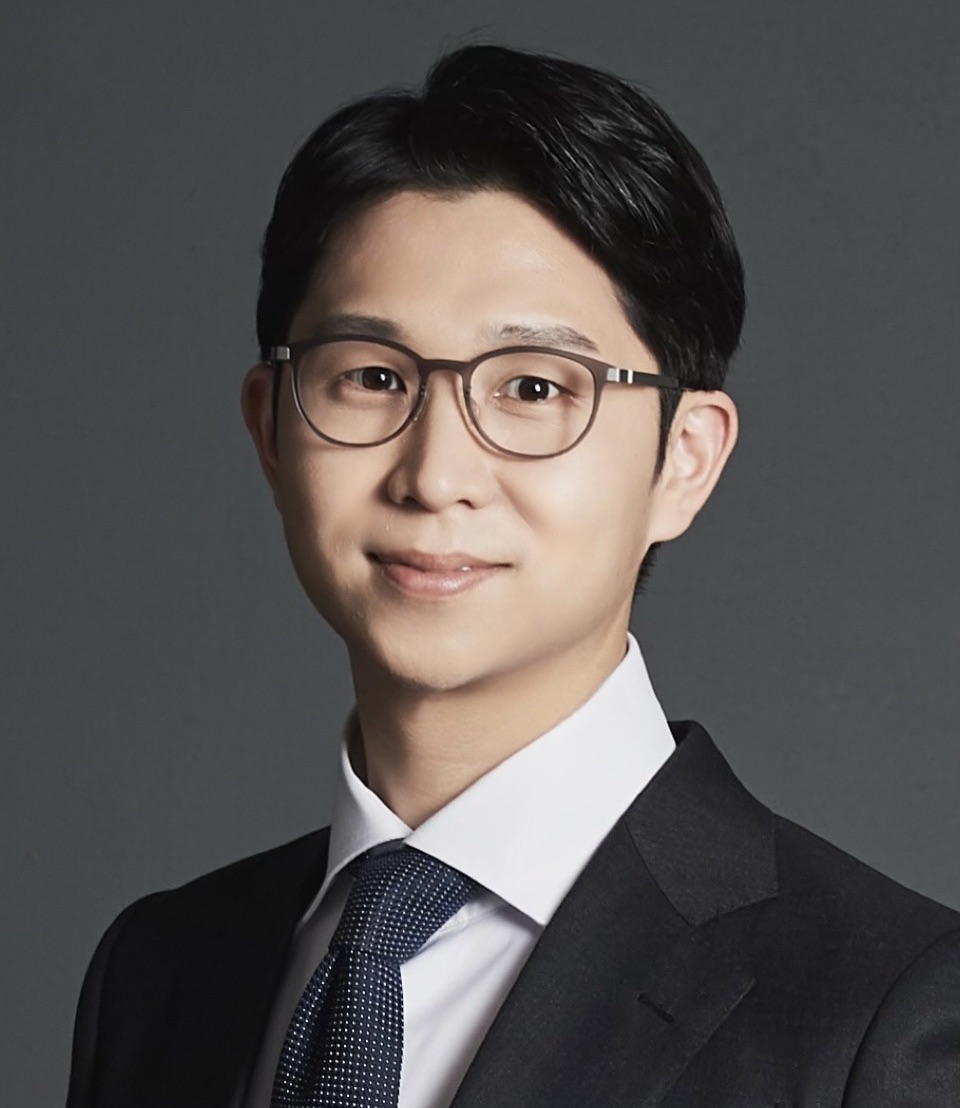
Moo Sun Hong is an Assistant Professor in the Department of Chemical and Biological Engineering at Seoul National University (SNU). He received a B.S. from SNU and an M.S. and Ph.D. from Massachusetts Institute of Technology (MIT). His honors include the AIChE Separations Division Graduate Student Research Award and the AIChE PD2M Award for Excellence in Integrated QbD Practice. His research focuses on advancing biomanufacturing systems through a systems engineering approach, integrating mechanistic modeling with data analytics and artificial intelligence to enable hybrid modeling, optimal design and control, and ultimately automated process construction.